
Asia and the Pacific has the world’s fastest growing cities and urban centres. The region is home to 2.2 billion urban residents, which will increase by an estimated 48 million more each year until 2050.
While urban growth brings opportunities, the region faces growing urban divides, with nearly 700 million people living in slums or informal settlements, and many lacking adequate housing, reliable services, decent work and safe living environments.
The 2026 Asia-Pacific SDG Partnership Report highlights urban policies and initiatives that can tackle these inequalities and recommends practical policy actions to advance inclusive urban futures and drive progress towards the Sustainable Development Goals.
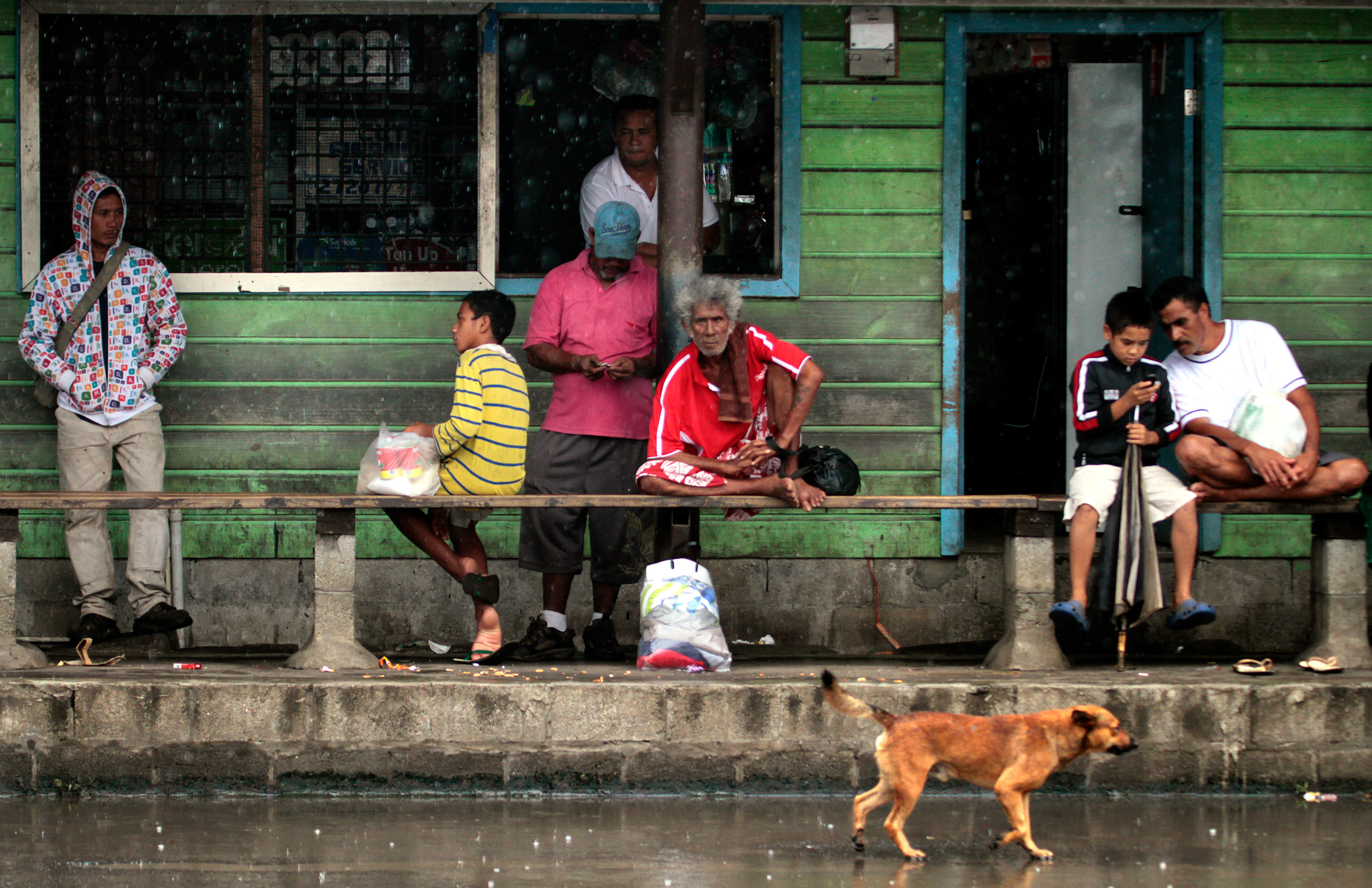
Inequalities in access to housing, transport, water and sanitation, electricity, clean energy, Internet and financial services persist, particularly for those "furthest behind."
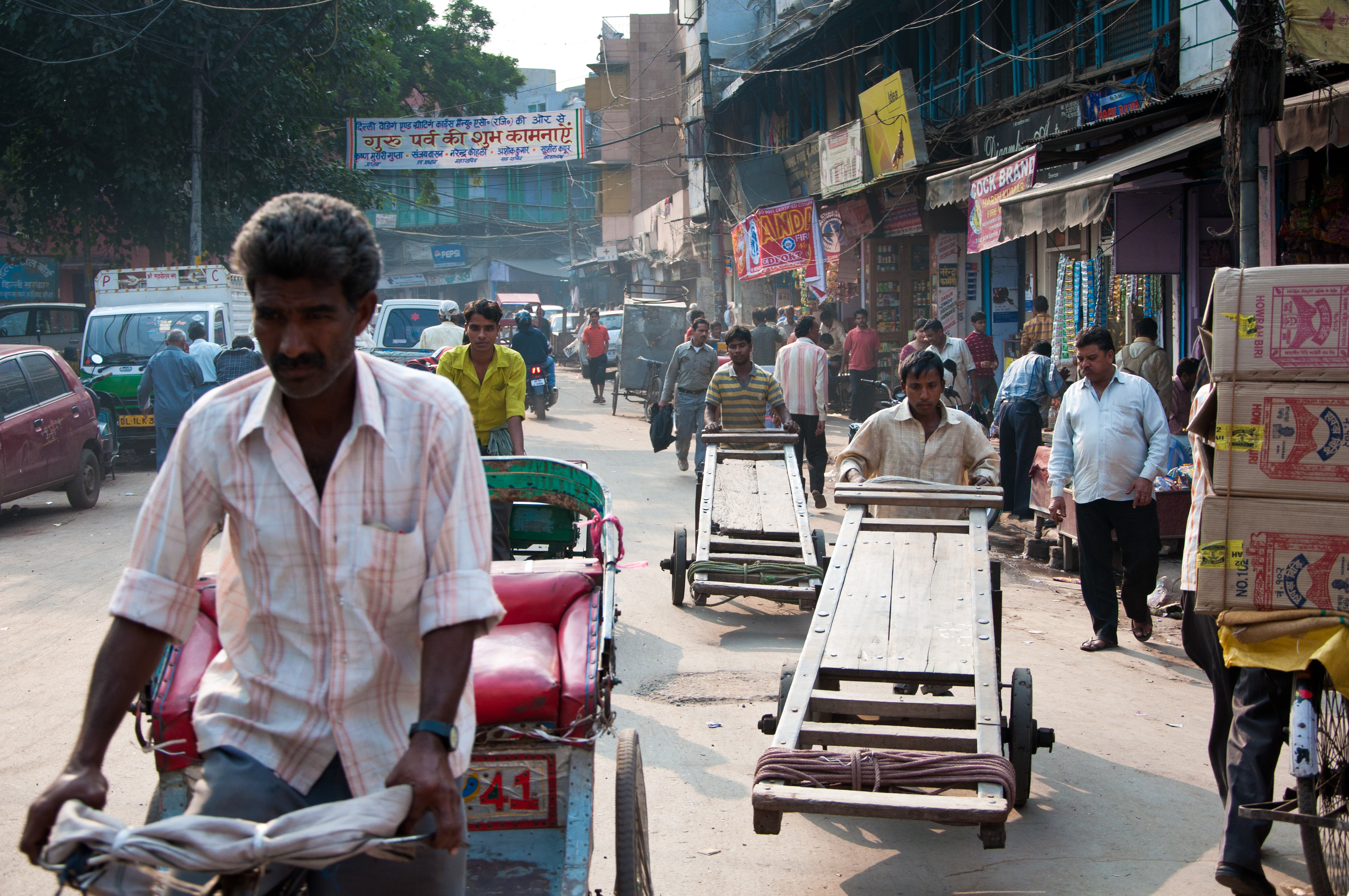
Over 65 per cent of urban workers are engaged in the informal economy, often in insecure and low paid jobs with no labour rights, protections or upward mobility.

Air pollution, unmanaged waste and climate shocks are escalating, deepening urban inequalities and health vulnerabilities among those least able to adapt.
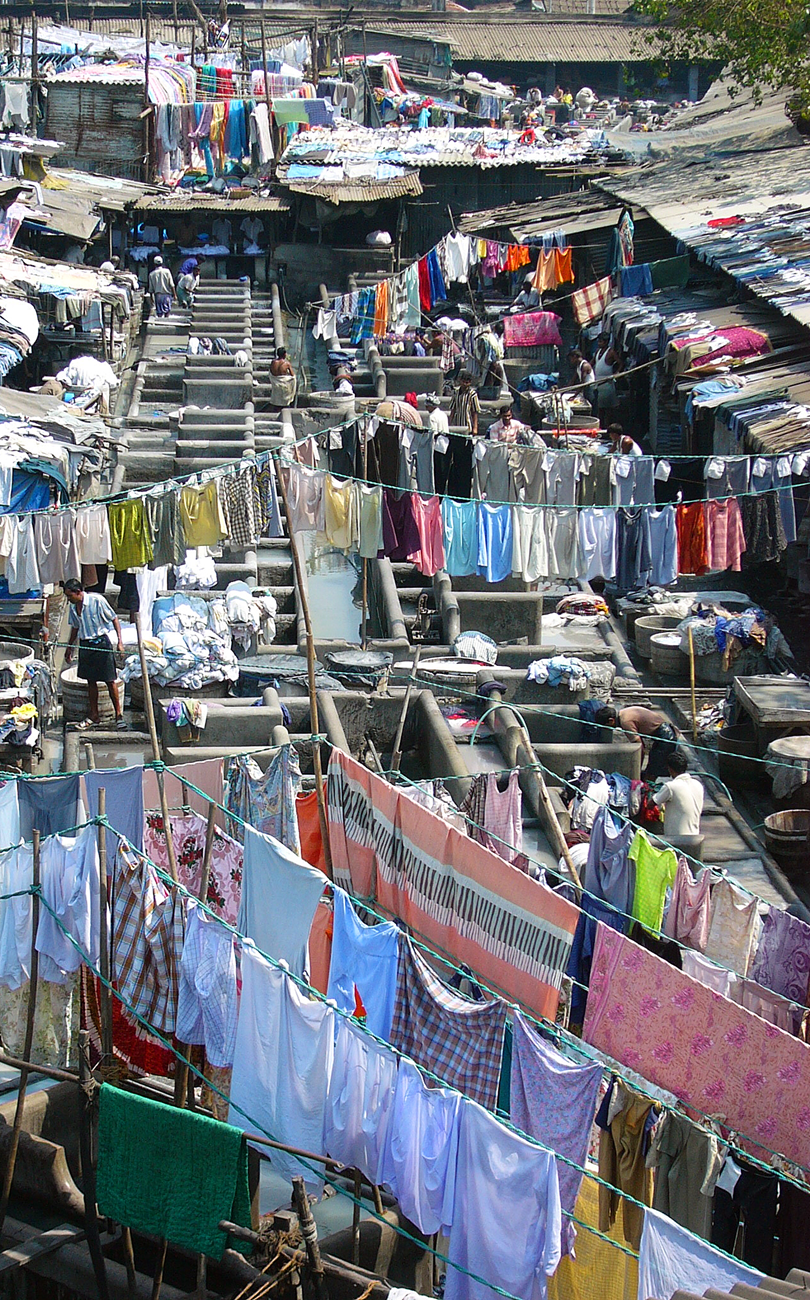
Community-led solutions for informal settlement and slum upgrading
Holistic planning and cross-sectoral collaboration to provide housing and basic services
Bridging last-mile access to basic services and infrastructure
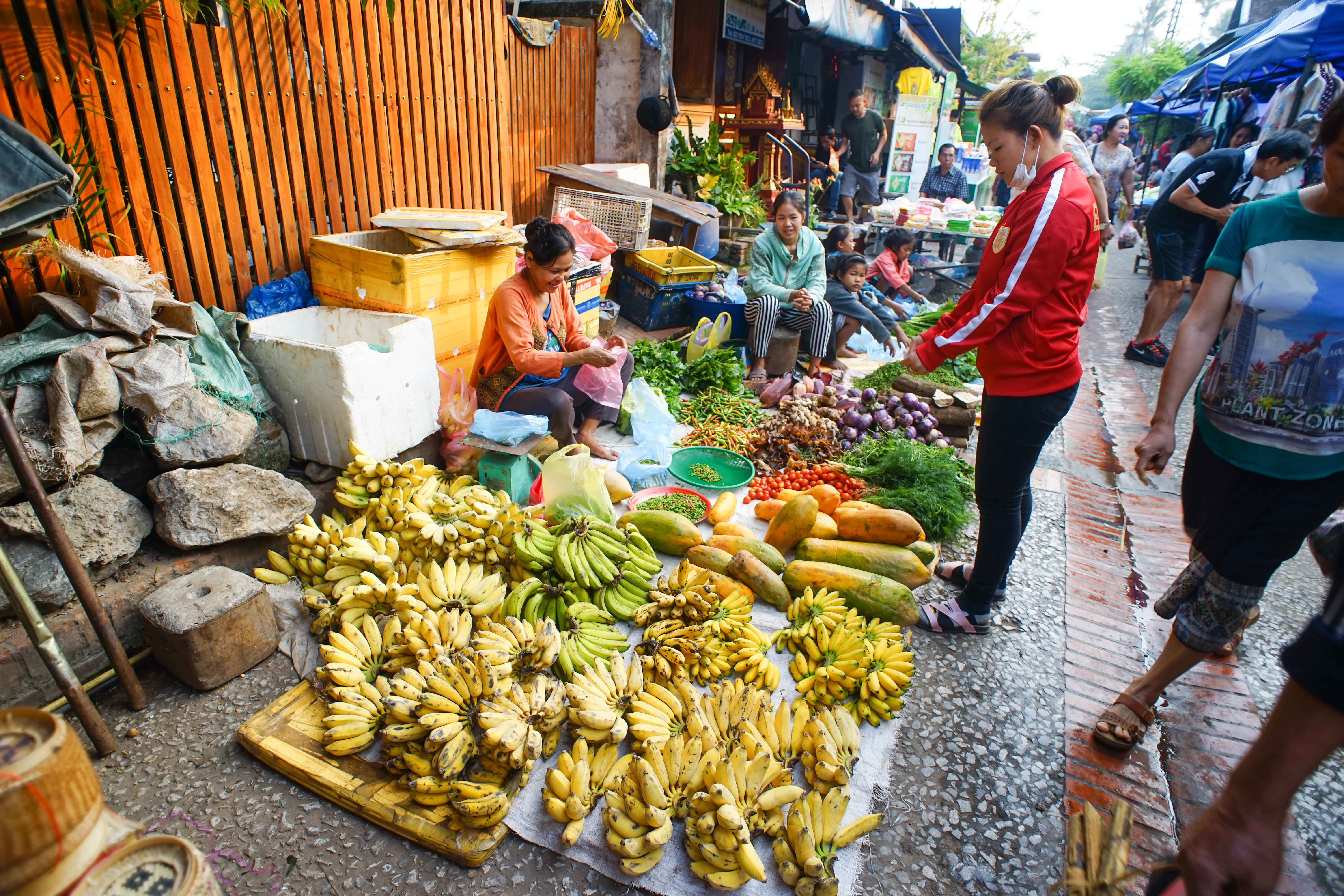
Promoting better and more secure jobs
Improving working conditions and social well-being
Promoting a gradual and inclusive transition to formality
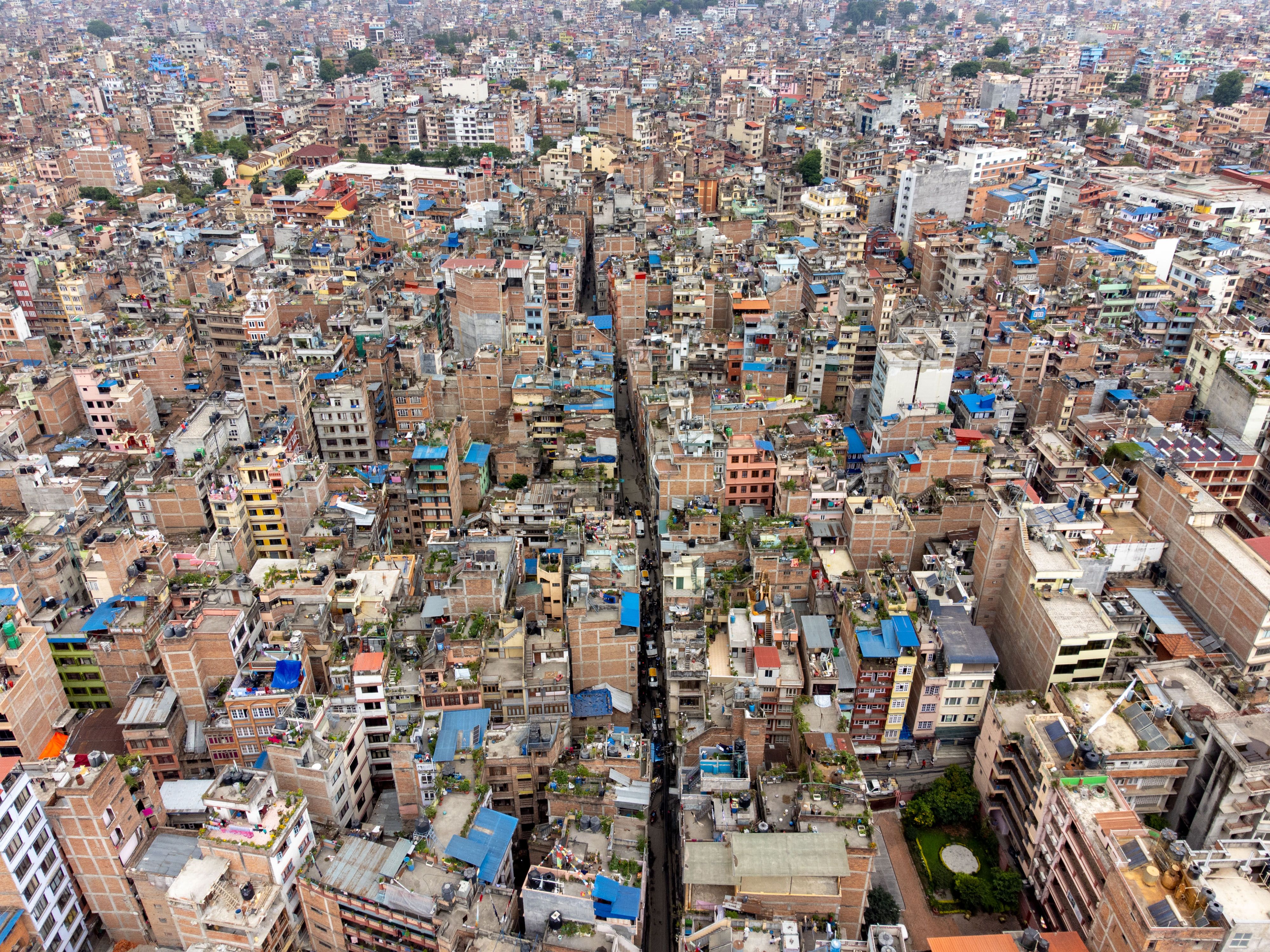
Interventions to reduce air pollution
Improving solid waste management and supporting waste-pickers
Strengthening urban resilience and nature-based solutions

Additional and innovative financing

Science and technology

Effective governance

Multilateral and multi-stakeholder partnerships